
Last Updated: November 1, 2026
Quick Summary
Your back pain keeps returning because it is usually treated as a symptom instead of a mechanical problem, so the underlying cause remains after the pain fades. Weak core and glute muscles, tight hips, prolonged sitting, poor lifting technique, and incomplete rehabilitation all leave the spine less able to handle load. Building load tolerance step by step is what prevents the next flare-up.
- Most cases of low back pain are mechanical, stemming from how the spine, muscles, and joints work together.
- Cut heavy lifting, twisting, and prolonged bending for 24 to 48 hours, but keep walking in short bouts.
- Loosening tight hips and waking up the glutes takes load off the lumbar spine.
- Break up prolonged sitting every 30 minutes and keep the load close to your body when lifting.
- Bladder or bowel changes, saddle numbness, or sudden leg weakness need emergency care right away.
Table of Contents
- Why Your Back Pain Keeps Coming Back
- Recurring Lower Back Pain Causes: What Is Actually Driving It
- How Long Does Lower Back Pain Last?
- Lower Back Pain Relief at Home: A Practical Flare-Up Plan
- How to Prevent Back Pain From Returning
- Red Flags: When Recurring Back Pain Needs a Professional
- Book an Appointment With Dr. Dom
- Frequently Asked Questions
Why Your Back Pain Keeps Coming Back
If you’re asking why does my back pain keep returning, the short answer is that most back pain gets treated as a symptom instead of a mechanical problem.
That cycle is not bad luck. It follows a predictable pattern, and once you understand it, you can break it. Below, we’ll show you exactly what drives recurrence, how to handle a flare-up, and how to build a back that holds up.
Recurring Lower Back Pain Causes: What Is Actually Driving It
Recurring lower back pain causes usually come down to a mix of factors, not one single injury. For a closer look at how the clinic assesses and treats this, see chiropractic lower back care.
The National Institute of Neurological Disorders and Stroke overview of low back pain notes that most cases are mechanical, meaning they stem from how the spine, muscles, and joints work together.
Muscle Strain, Weak Core, and Tight Hips
A back strain or sprain heals, but the muscles around it often stay weak. Weak abdominal muscles and core strength leave the spine with less support. Tight hips and weak glutes change how you move, so your lower back picks up the slack.
A common mistake is stretching the back and ignoring the hips. In practice, loosening tight hips and waking up the glutes takes load off the lumbar spine.
Posture, Prolonged Sitting, and Lifting Patterns
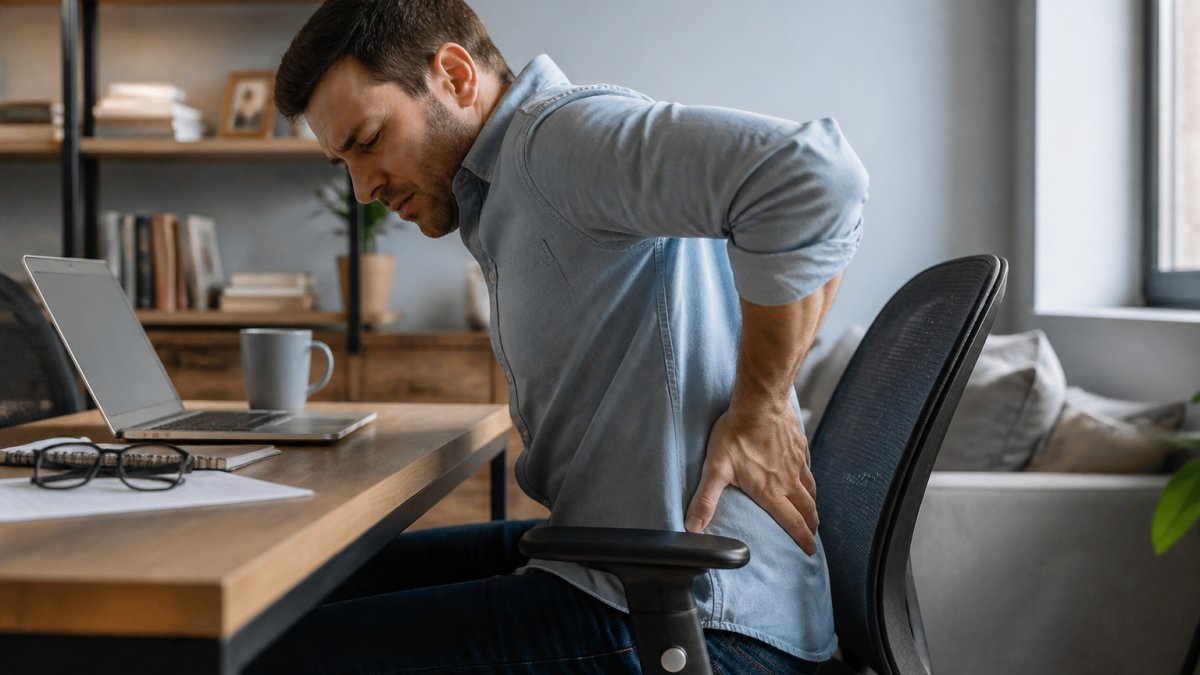
Prolonged sitting and desk work shorten hip flexors and flatten the natural curve of the spine. Hunched posture over a laptop all day trains your body into a position it then repeats under load. If you’re wondering whether a chiropractor can fix your posture for good, this guide on chiropractic posture correction explains what’s realistic. Poor lifting technique and awkward daily movement patterns finish the job.
Structural Factors and Incomplete Rehabilitation
Structural factors like an unstable vertebra, a spine disorder, or scoliosis change how force moves through the spine. These don’t always cause pain on their own, but they make certain patterns more likely.
Incomplete rehabilitation is the quiet culprit. People stop their strengthening exercises the moment pain relief arrives. The tissue is deconditioned, load tolerance is low, and the first real demand triggers a pain recurrence.
How Long Does Lower Back Pain Last?
Most episodes of lower back pain settle within a few weeks, but how long lower back pain lasts depends on the cause and how well you rehab.
Here’s the part most guides skip: feeling better and being recovered are two different things. This guide on why chiropractic adjustments don’t last explains why relief wears off and what that means for lasting results.
Lower Back Pain Relief at Home: A Practical Flare-Up Plan
Lower back pain relief at home works best when you treat a flare-up as a short, structured phase rather than a free-for-all of rest and guesswork. The goal in the first week is simple: calm the irritated tissue, keep moving gently, and avoid the two traps that most often prolong recurrence, too much bed rest and too much early loading.
The First 24 to 48 Hours
Most practitioners find that the first day or two sets the tone for the whole episode. Use these steps:
- Ease off, don’t stop. Cut heavy lifting, twisting, and prolonged bending for 24 to 48 hours. Keep walking on flat ground in short bouts, 5 to 10 minutes at a time, several times a day, as comfort allows.
- Use heat for tight, guarded muscles. A warm pack or heating pad for 15 to 20 minutes can loosen muscle guarding. Keep a thin layer between the pack and your skin, and avoid falling asleep on it.
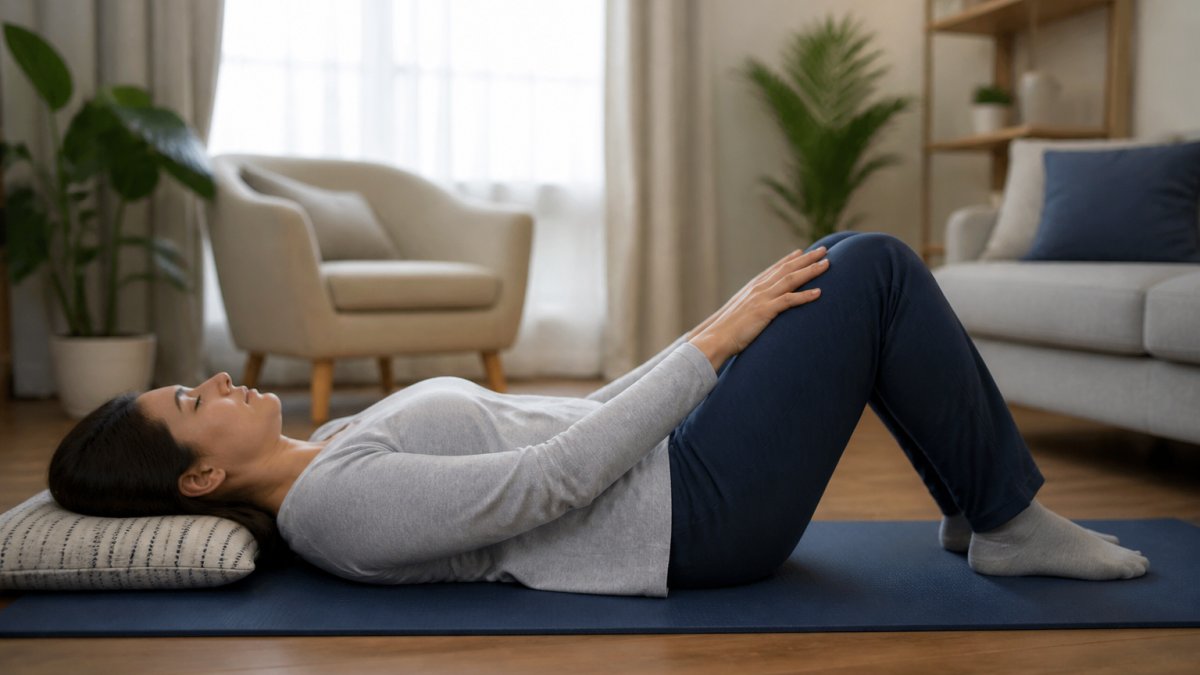
- Try gentle movement, not stretching into pain. Lie on your back with knees bent and rock the knees side to side, or do a gentle pelvic tilt. Move slowly and stay within a comfortable range.
- Avoid prolonged bed rest. Long stretches in bed make muscles stiffer and slow recovery. Rest in comfortable positions, but get up and move regularly through the day.
- Check your setup. Raise your screen to eye level, support your lower back with a small pillow or rolled towel, and stand up every 30 minutes when sitting.
- Track what triggered it. Note the activity, position, or load that came before the pain, this is the start of your recurrence log.
Watch Out
Pushing through sharp pain or numbness to “test” your back usually sets recovery back. If pain travels down the leg, you feel weakness, or symptoms worsen despite gentle movement, stop and get it checked.
Pushing through sharp pain or numbness to “test” your back usually sets recovery back. If pain travels down the leg, you feel weakness, or symptoms worsen despite gentle movement, stop and get it checked.
Days 3 to 7: Restore Movement
Once the sharpest pain settles, shift from calming to restoring. A common pattern is:
- Walk daily. Build toward 15 to 30 minutes total per day, split into short walks if needed.
- Add gentle mobility. Hip flexor and mid-back mobility work, done slowly and without forcing range.
- Reintroduce light daily tasks. Short drives, light housework, and standing desk work are usually fine if pain stays stable or improves.
Returning to Work, Exercise, and Lifting
A structured return-to-activity progression prevents the over-rest and overload cycle that drives recurrence. Use this as a general guide, adjusting to your own symptoms:
| Stage | Focus | Frequency |
|---|---|---|
| Calm the flare-up (days 1-2) | Gentle walking, heat, comfortable positions | Daily, short bouts |
| Restore movement (days 3-7) | Walking, gentle mobility, light daily tasks | Daily |
| Rebuild control (week 2) | Core and glute activation, bodyweight movements | 3-4 times per week |
| Add strength (weeks 3-6) | Loaded carries, hinges, squats with light load | 2-3 times per week |
| Return to full activity | Sport- or work-specific loads | Progress weekly |
For desk work, return in stages: half days first, then full days with a standing break every 30 minutes. For physically demanding jobs, start with lighter loads and shorter shifts, and avoid combining lifting with twisting until pain has been stable for several days. For exercise, resume cardio before heavy resistance work, and add load only when a session leaves you no worse the next day.
Pro Tip
A simple rule: if pain stays the same or improves within 24 hours of an activity, you can repeat it. If it flares and stays flared, you moved too fast, scale back one stage.
A simple rule: if pain stays the same or improves within 24 hours of an activity, you can repeat it. If it flares and stays flared, you moved too fast, scale back one stage.
Track Your Recurrence Patterns
A symptom and activity log is one of the most useful tools for breaking the cycle. For each flare-up, record:
- Date and how long it lasted
- What you were doing in the 24 to 48 hours before it started
- Pain level at rest and with movement
Patterns show up fast, often within three or four entries, and give you and a clinician concrete triggers to work with instead of guesswork.
How to Prevent Back Pain From Returning
How to prevent back pain from returning comes down to one idea: build load tolerance so your spine can handle daily demands. Symptom management feels good. Recurrence prevention takes structured work.
- Strengthen the core, glutes, and hips, not just the back
- Add mobility work for hips and mid-back
- Break up prolonged sitting every 30 minutes
Build Load Tolerance Step by Step
Start with movements you can do without pain, then add load slowly. A simple progression:
| Stage | Focus | Frequency |
|---|---|---|
| Calm the flare-up | Gentle movement, walking | Daily, short bouts |
| Rebuild control | Core and glute activation | 3-4 times per week |
| Add strength | Loaded carries, hinges, squats | 2-3 times per week |
| Return to activity | Sport or work-specific loads | Progress weekly |
Track your recurrence patterns in a simple log: date, trigger, pain level, and what helped. Patterns show up fast.
Red Flags: When Recurring Back Pain Needs a Professional
Most recurring back pain is mechanical and can be managed with the flare-up plan above. But some symptoms need prompt medical attention, and a few need emergency care. The distinction matters: routine recurrence is common and rarely dangerous, while certain red flags can signal a serious condition that should not wait.
Seek Emergency Care Right Away
Call 911 or go to the nearest emergency department for:
- Loss of bladder or bowel control, new inability to control urine or stool, or inability to urinate
- Saddle numbness, numbness in the groin, inner thighs, or area that would touch a saddle
- Sudden severe weakness in both legs, difficulty standing, walking, or lifting your feet
Together, bladder or bowel changes, saddle numbness, and leg weakness can point to cauda equina syndrome, a rare but serious condition that needs urgent evaluation. Do not wait to see if it improves.
See a Clinician Promptly (Within Days)
Contact a clinician soon for:
- Pain that travels down the leg with numbness, tingling, or weakness
- Pain that worsens at night or at rest, or that does not ease with position changes
- New weakness in one leg or foot
Routine Recurrence: When to Book a Visit
For persistent, recurring pain without red flags, a consultation with a qualified professional can help identify the underlying cause. Readers dealing with neck involvement can also see this guide to chiropractic treatment for chronic neck pain. Consider booking a visit when:
- Pain keeps returning despite home management
- Episodes are becoming more frequent or lasting longer
- Pain limits work, sleep, or daily activities
Key Takeaway
Recurring back pain is usually mechanical, but red flags change the plan. Emergency symptoms, bladder or bowel changes, saddle numbness, sudden leg weakness, or pain after major trauma, need immediate care. Routine recurrence without red flags can be managed with the flare-up plan and a structured return to activity.
Recurring back pain is usually mechanical, but red flags change the plan. Emergency symptoms, bladder or bowel changes, saddle numbness, sudden leg weakness, or pain after major trauma, need immediate care. Routine recurrence without red flags can be managed with the flare-up plan and a structured return to activity.
Book an Appointment With Dr. Dom
Dr. Dominick Fazzari brings over 35 years in private practice and expertise in Advanced Biostructural Correction™, a full-body approach to alignment. Care is individualized, with no long-term contracts, and home and office visits are available.
If recurring pain keeps pulling you back, book an appointment and discuss a plan tailored to your needs.
Frequently Asked Questions
Why does my back pain keep coming back after it feels better?
Recurring back pain usually means the underlying cause was never fully resolved. Pain relief is not the same as recovery. If muscle weakness, tight hips, poor lifting patterns, or a structural issue like an unstable vertebra remain, the same strain returns the next time you sit too long or lift something awkwardly. A full assessment looks at movement, load tolerance, and alignment rather than just the spot that hurts.
How long does lower back pain usually last?
Most acute episodes of lower back pain ease within a few days to a few weeks, and many people feel noticeably better within two to four weeks. Recurring or chronic low back pain can last longer and return in cycles. If pain persists beyond six weeks or keeps flaring up, it is worth having a professional assess the cause rather than waiting it out each time.
How can I prevent back pain from returning?
Prevention comes down to load tolerance and daily habits. Build core and glute strength gradually, take standing breaks during desk work, and use proper lifting technique. Track what triggers your flare-ups so you can spot patterns. A structured return-to-activity progression after each episode matters more than resting until the pain disappears, because it conditions the muscles to handle real demands.
When should I see a professional for recurring back pain?
See a professional if pain keeps returning despite rest and self-care, lasts more than six weeks, or comes with numbness, weakness, or pain radiating down a leg. Red flags like loss of bladder control, unexplained weight loss, or pain after a fall need urgent medical attention. For recurring patterns without red flags, a chiropractor or physical therapist can assess structural and functional factors behind the cycle.
Back pain that keeps returning is a signal, not a life sentence. Dr Dom offers individualized chiropractic care with Advanced Biostructural Correction™, home and office visits, and no long-term contracts. Get started with Dr Dom and build a back that holds up.
