
Last Updated: October 25, 2026
Quick Summary
For back pain relief, an Active Health NY alternative means choosing chiropractic care for acute mechanical pain, physical therapy for chronic or recurring pain, or a combined plan when pain persists. Mobile chiropractor home visits and clear cash-pay pricing are also options. Escalate to a physician if red flags appear.
- Start chiropractic care first for acute pain with a clear mechanical trigger and restricted motion.
- Choose physical therapy first for chronic pain lasting more than 12 weeks with deconditioning.
- A combined plan may run chiropractic care for two to four weeks while physical therapy builds strength.
- Most patients start with one to two visits per week, easing as pain drops and mobility returns.
- Be cautious of any provider who quotes a large prepaid package before examining you.
Table of Contents
- Why Active Health NY Patients Look for Back Pain Relief Alternatives
- Chiropractic vs Physical Therapy for Back Pain: Which Fits Your Case
- Chiropractor Visit Cost: What Drives the Price and What to Ask
- How Often to See a Chiropractor for Back Pain
- Mobile Chiropractor Home Visit: What to Expect
- Red Flags That Mean You Need Care Escalation, Not Another Adjustment
- Book a Consultation with Dr. Dom
- Frequently Asked Questions
Why Active Health NY Patients Look for Back Pain Relief Alternatives
Finding lasting back pain relief often takes more than one try. Many patients who start care at a large clinic later look for a different approach.
The target keyword here is simple: people want an active health ny alternative for back pain because the first option did not stick. That is a common story, not a failure.
Back pain relief is the goal. The path to it varies.
Most people want three things: care that lasts, clear costs, and a provider who listens. Below, we break down each alternative so you can match one to your case.
Chiropractic vs Physical Therapy for Back Pain: Which Fits Your Case
The best choice depends less on which profession sounds better and more on your pain pattern, your goals, and how your body responds. Chiropractic care and physical therapy overlap more than most people expect, but they emphasize different mechanisms. Understanding those differences is the fastest way to pick a starting point, and to know when to combine them.
What each approach actually does
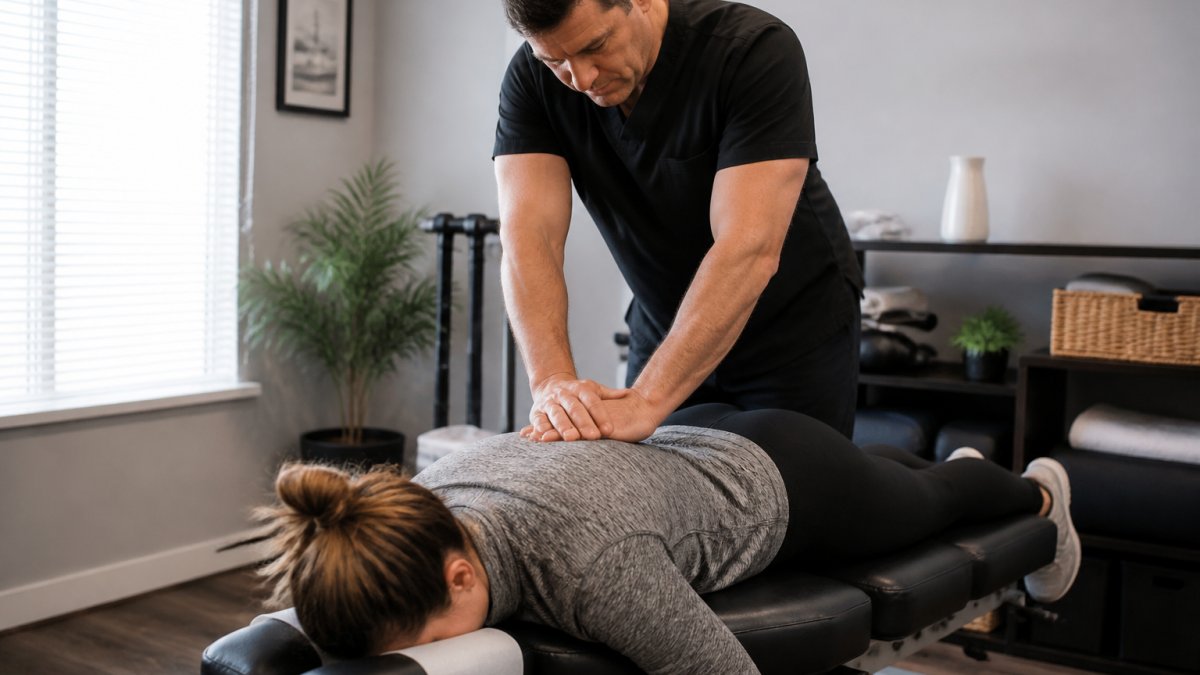
Chiropractic care centers on spinal manipulation and mobilization. A chiropractor uses controlled, hands-on thrusts or slower mobilizations to improve joint motion in the spine and pelvis. The proposed benefit is restored segmental movement, reduced muscle guarding, and short-term pain relief. Many chiropractors also add soft-tissue work, stretching, and home exercises.
Physical therapy centers on therapeutic exercise and movement retraining. A physical therapist assesses strength, flexibility, gait, and movement patterns, then builds a program to correct deficits. Treatment may include manual therapy, but the emphasis is on loading tissues, building endurance in the deep trunk and hip muscles, and teaching you to move safely.
Matching the approach to your pain pattern
- Acute pain with a clear mechanical trigger (a awkward lift, a long drive, a sudden twist): short-course chiropractic care often helps restore motion and calm symptoms quickly. Many patients feel meaningful change within a few visits.
- Chronic pain with deconditioning (pain lasting more than 12 weeks, desk-bound routines, prior episodes): physical therapy tends to fit better because it addresses the strength and endurance deficits that keep pain recurring.
- Recurring episodes (pain that returns every few months): a combined plan, brief chiropractic care for symptom control plus a physical therapy program for durability, is a common and reasonable pattern.
- Pain with radiating leg symptoms: both professions can help, but the assessment matters more than the label. A provider who screens for nerve involvement and tracks neurological signs is the right first call.
- Post-surgical or post-fracture back pain: physical therapy is usually the appropriate starting point, with chiropractic care added only after the treating surgeon clears it.
Risks and trade-offs to weigh
Spinal manipulation is generally considered safe for most people when performed by a licensed provider after an exam, but it is not risk-free. Rare but serious events, such as vertebral artery issues after neck manipulation, are why a thorough history and screening matter. For low back pain, serious complications are uncommon, but the evidence for long-term benefit from manipulation alone is modest.
A balanced view: chiropractic care is often better at short-term symptom relief and restoring motion; physical therapy is often better at building durability and preventing recurrence. Neither is a cure-all, and neither replaces medical evaluation when red flags are present.
When to combine or escalate
Combining the two is common and sensible when pain is persistent and function is limited. A typical combined plan might run chiropractic care for two to four weeks while a physical therapy program builds strength in parallel. Escalate to a physician if you have numbness or weakness, loss of bladder or bowel control, fever with back pain, pain after significant trauma, or pain that worsens despite several weeks of conservative care.
Key Takeaway
Choose chiropractic care first for acute, mechanical pain with restricted motion. Choose physical therapy first for chronic pain with weakness or recurring episodes. Combine them when pain persists and function is limited. Escalate to a physician when red flags appear.
Choose chiropractic care first for acute, mechanical pain with restricted motion. Choose physical therapy first for chronic pain with weakness or recurring episodes. Combine them when pain persists and function is limited. Escalate to a physician when red flags appear.
If you are weighing a specific chiropractic adjustment for lower back pain, it helps to see how that service is delivered before you commit.
National Institute of Neurological Disorders and Stroke back pain overview
Here is how the two approaches compare by pain pattern, so you can pick a starting point.
| Pain pattern | Start with | Key point |
|---|---|---|
| Acute pain with clear mechanical trigger | Chiropractic care | Short course often restores motion quickly |
| Chronic pain with deconditioning | Physical therapy | Addresses strength and endurance deficits |
| Recurring episodes | Combined plan | Brief chiropractic plus physical therapy for durability |
| Pain with radiating leg symptoms | Either, with screening | Assessment matters more than the label |
| Post-surgical or post-fracture | Physical therapy | Add chiropractic only after surgeon clears it |
Chiropractor Visit Cost: What Drives the Price and What to Ask
Chiropractor visit cost varies widely, and the variation is not random. It reflects the visit type, the provider’s credentials and location, whether imaging or therapies are bundled, and how the practice handles insurance. Because published prices are uncommon, the practical skill is knowing which factors drive the number and which questions surface the real cost before you book.
The main cost drivers
- Visit type. A first visit usually costs more than a follow-up because it includes a history, exam, and care plan. Follow-ups are shorter and cheaper.
- Provider credentials and setting. A solo practitioner in a small office, a multi-provider clinic, and a hospital-affiliated practice can price the same service very differently. Location and overhead matter.
- Imaging and diagnostics. X-rays, if needed, are usually billed separately. Many chiropractors do not have imaging on site and will refer out.
- Bundled therapies. Electrical stimulation, ultrasound, traction, and soft-tissue work may be included or added as separate charges. Ask which are part of the base visit.
- Home and office visits. Mobile care carries a premium for travel and setup time, so expect a higher per-visit rate than an in-office visit.
- Insurance status. In-network, out-of-network, and cash-pay rates can differ substantially for the same service.
How insurance actually works for chiropractic care
Coverage depends on your plan, not on the provider’s reputation. Medicare Part B covers chiropractic care for the treatment of subluxation using manual manipulation of the spine, but it does not cover massage, ultrasound, or most other therapies. Many commercial plans cover a limited number of visits per year and may require a referral or preauthorization. Medicaid coverage varies by state. If you are paying cash, ask for the self-pay rate and whether a superbill can be provided for out-of-network reimbursement. (Source: guidelines on the management of low back pain)
Questions to ask before you book
- What exactly does the first visit include, and what is the total charge?
- Is imaging part of the plan or billed separately?
- Which therapies are included in the visit fee, and which are add-ons?
- Are you in-network with my plan? If not, what is the cash rate?
- How many visits do you typically recommend, and how will we measure progress?
- Do you offer a superbill for out-of-network reimbursement?
Watch Out
Be cautious of any provider who quotes a large prepaid package before examining you. Good care starts with an exam and a plan tied to measurable progress, not a sales pitch.
Be cautious of any provider who quotes a large prepaid package before examining you. Good care starts with an exam and a plan tied to measurable progress, not a sales pitch.
What to verify before your first appointment
Confirm the provider’s license and any board certifications. Ask whether the practice uses evidence-based outcome measures, such as functional questionnaires, to track progress. Clarify the cancellation and refund policy. If you are using insurance, verify benefits directly with your plan, not just with the front desk, because in-network status and covered visit counts can change.
For quick answers on billing and logistics, our frequently asked questions cover the basics.
How Often to See a Chiropractor for Back Pain
Most patients start with one to two visits per week. The schedule usually eases as pain drops and mobility returns. How often to see a chiropractor for back pain should follow your response, not a fixed contract.
A sensible plan looks like this:
- Weeks 1-2: frequent visits to calm acute pain
- Weeks 3-6: spacing visits as function improves
- After that: occasional check-ins or self-management
Be wary of any plan that locks you into months of care up front. Progress should be measured, not assumed.
Mobile Chiropractor Home Visit: What to Expect
A mobile chiropractor home visit brings the exam and treatment to your home or office. The provider sets up a portable table, reviews your history, and runs the same assessment you would get in a clinic.
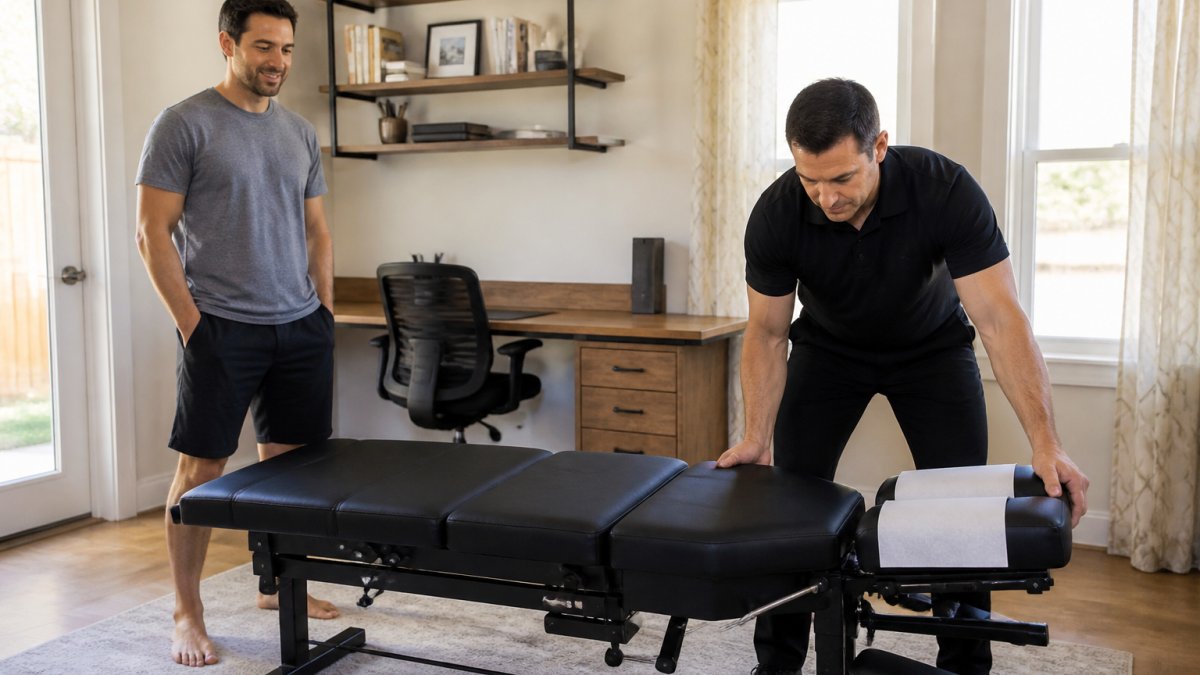
This option suits people with tight schedules or limited mobility. You can review the full range of chiropractic health services we provide.
Red Flags That Mean You Need Care Escalation, Not Another Adjustment
Some symptoms need a doctor, not another adjustment. Escalate care if you notice any of these:
- Numbness or weakness in a leg or foot
- Loss of bladder or bowel control
- Pain after a fall or accident
- Fever with back pain
- Pain that worsens despite weeks of care
These signs can point to a herniated disc or a more serious issue. If your symptoms radiate down a leg, read about herniated disc care before your next visit.
American Association of Neurological Surgeons patient resources
Book a Consultation with Dr. Dom
Dr. Dominick Fazzari brings over 35 years in private practice and a focus on Advanced Biostructural Correction™. That method targets full-body alignment to restore mobility and ease stubborn pain. Care is built around your case.
Patients like Dawoud Kringle and James Dinallo have shared their experiences with this approach. We recommend starting with an exam so the plan fits your body, not a template.
Get started with Dr Dom and take the first step toward real back pain relief. Contact us to book your consultation.
Frequently Asked Questions
What are alternatives to chiropractic care for back pain?
Alternatives include physical therapy, massage therapy, acupuncture, and low-level laser therapy, along with active self-management like walking, yoga, and Tai Chi. Over-the-counter NSAIDs can ease inflammation short term. The right choice depends on whether your pain is acute or chronic and whether imaging shows a structural cause. A qualified provider can help you compare options and set realistic expectations for back pain relief.
How many chiropractic visits are typically needed for back pain?
Visit frequency varies by case. Many providers suggest a short trial of care, often a few visits over two to four weeks, then reassess based on pain intensity and function. Chronic or recurring cases may need longer. Ask upfront how progress will be measured and when you should expect change. Avoid any plan that locks you into a long contract before you have seen results.
Is physical therapy or chiropractic care better for lower back pain?
Neither is universally better. Chiropractic care, including spinal manipulation, may help acute episodes, while physical therapy and therapeutic exercise build strength and mobility that support long-term prevention. Many patients do best combining both. If your pain returns after adjustments, adding active treatment like exercise often makes results last longer. Discuss your history with a licensed provider before deciding.
Can a chiropractor come to your home or office?
Yes. Some practices offer mobile chiropractor home visits, bringing a portable table and doing the same assessment and treatment you would get in a clinic. This suits people with tight schedules or limited mobility. Ask how the provider handles imaging needs, what equipment they bring, and how follow-up is arranged. Confirm pricing and visit length before booking.
Back pain that keeps returning deserves a plan, not another quick fix. At Dr Dom, we build individualized care around your exam findings, using Advanced Biostructural Correction™, home and office visits, and no long-term contracts. Get started with Dr Dom and move toward lasting relief.
